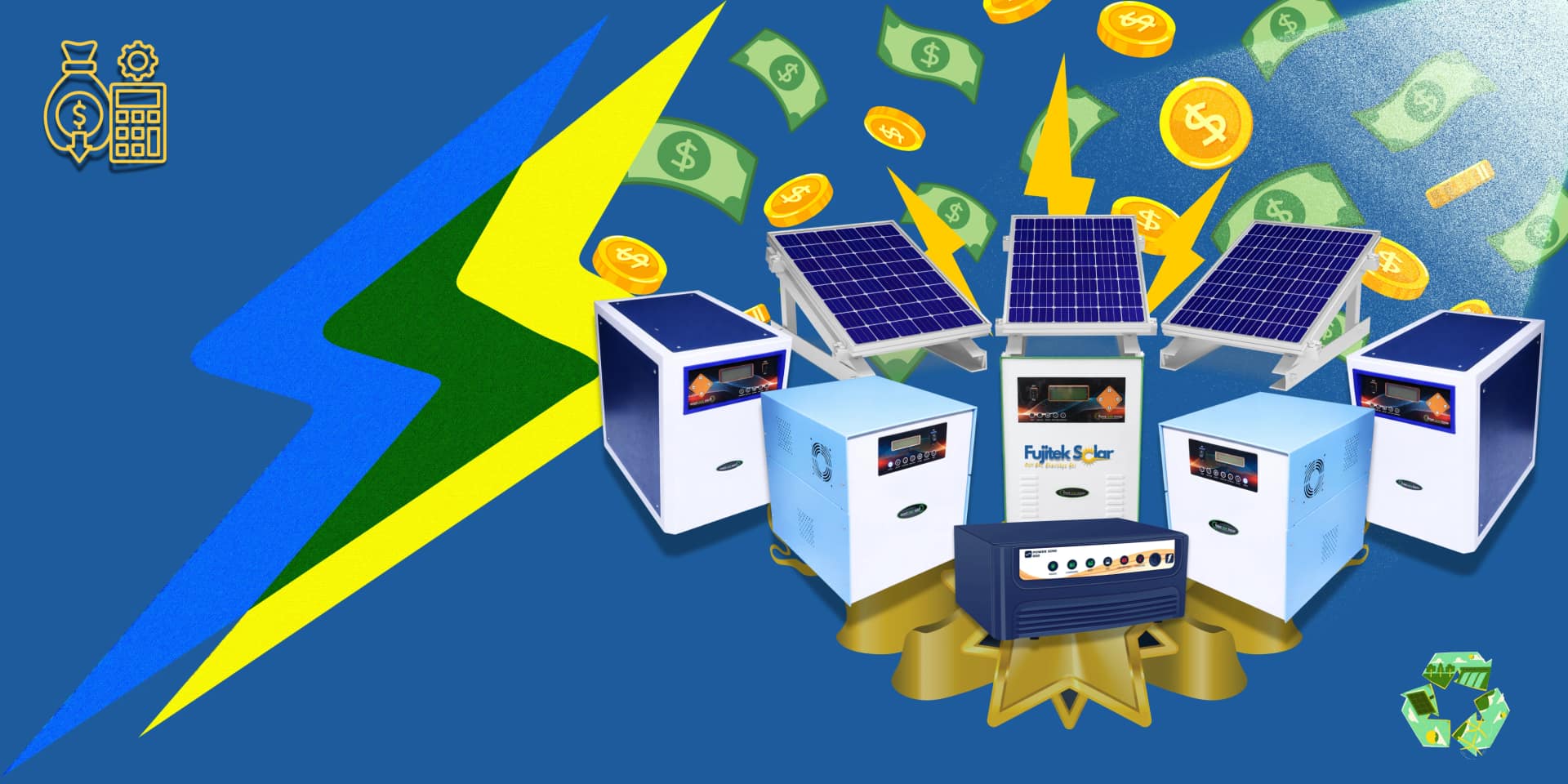
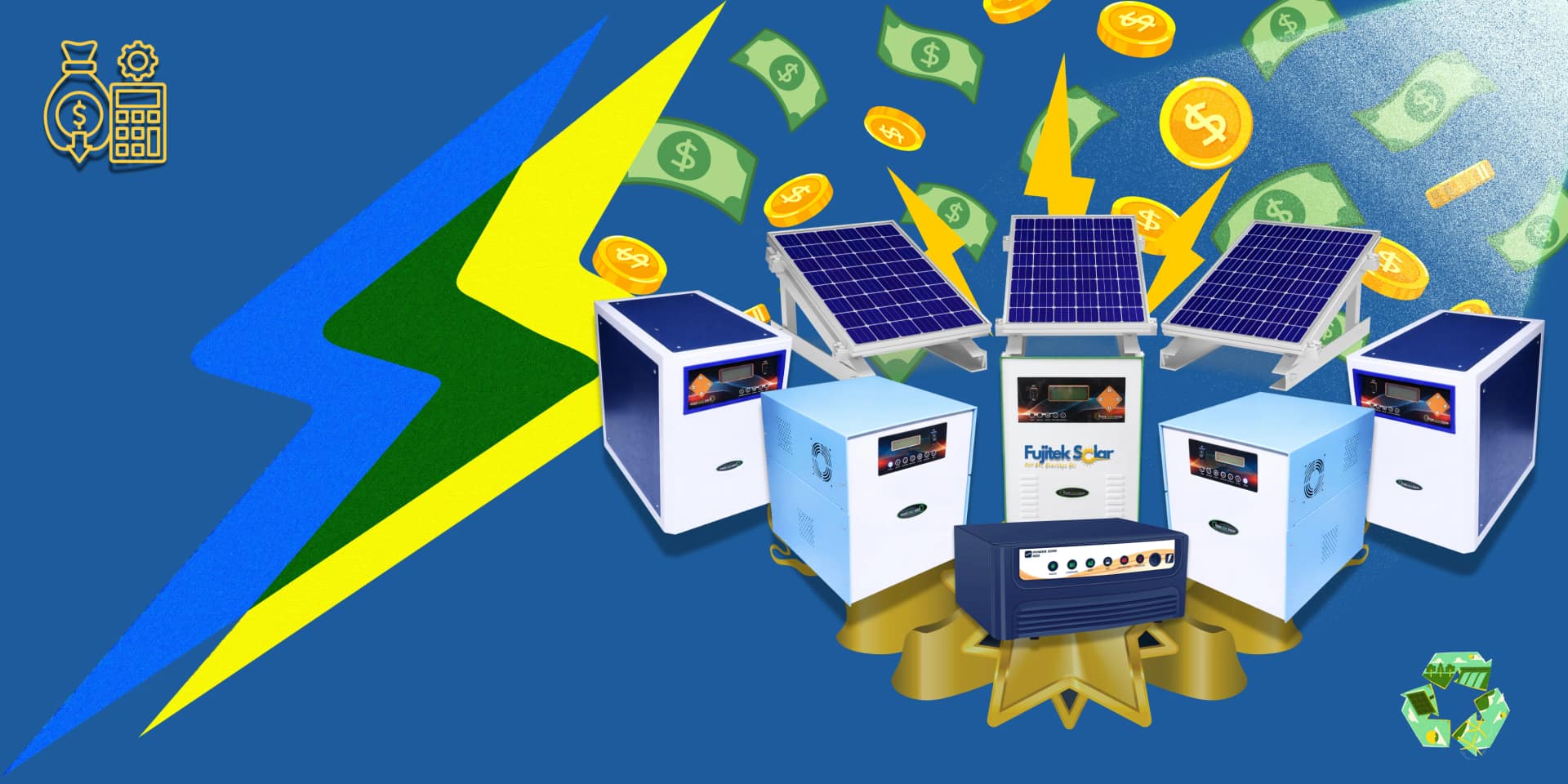
On-Grid vs Off-Grid vs Hybrid Solar Inverter – Complete Comparison Guide
If you are planning to install a rooftop solar system, choosing the right solar inverter is the most important decision. The inverter controls how electricity flows, whether you get backup during power cuts, and how much money you save on electricity bills.
In this detailed guide, we explain the difference between on-grid solar inverter, off-grid solar inverter, and hybrid solar inverter — including working, cost, benefits, and which one is best for your requirement.
What is a Solar Inverter and Why is it Important?
A solar inverter converts DC (Direct Current) electricity generated by solar panels into usable AC (Alternating Current) electricity for home appliances.
Without a solar inverter, your solar panel system cannot power fans, ACs, refrigerators, pumps, or industrial loads.
On-Grid Solar Inverter (Grid-Tied System)
An on-grid solar inverter works with the government electricity grid. It does not require batteries and is the most cost-effective solar inverter system.
How On-Grid Solar Inverter Works
- Solar panels generate electricity during daytime.
- Power runs your home first.
- Extra electricity is exported to the grid via net metering.
- At night, electricity is imported from the grid.
Advantages of On-Grid Solar Inverter
- Lowest installation cost
- High efficiency (97–99%)
- No battery maintenance
- Best return on investment
Disadvantages
- No power backup during electricity failure
Best for: Homes and commercial buildings with reliable electricity supply.
Off-Grid Solar Inverter (Battery-Based System)
An off-grid solar inverter works independently without any connection to the electricity grid. It requires solar batteries for storing energy.
How Off-Grid Solar Inverter Works
- Solar panels charge batteries during the day.
- Stored energy runs appliances at night.
- No dependency on government electricity.
Advantages of Off-Grid Solar Inverter
- Complete power independence
- Ideal for remote areas
- Backup available during outages
Disadvantages
- Higher cost due to batteries
- Battery replacement every few years
Best for: Villages, farms, rural homes, telecom towers, and areas with frequent power cuts.
Hybrid Solar Inverter (Smart Solar System)
A hybrid solar inverter combines both on-grid and off-grid technology. It connects to the grid and also supports battery backup.
How Hybrid Solar Inverter Works
- Solar power runs your home first.
- Extra electricity charges batteries.
- Surplus can be exported through net metering.
- During power cuts, batteries supply backup power.
Advantages of Hybrid Solar Inverter
- Power backup + electricity savings
- Smart load management
- Future-ready solar solution
Disadvantages
- Higher initial investment
- More complex installation
Best for: Urban homes, offices, hospitals, and industries requiring uninterrupted power.
On-Grid vs Off-Grid vs Hybrid Solar Inverter – Comparison Table
Feature On-Grid Off-Grid Hybrid Battery Required No Yes Optional Power Backup No Yes Yes Net Metering Yes No Yes Cost Low Medium High Best Use Case City Homes Remote Areas Smart Energy UsersWhich Solar Inverter is Best for You?
The best solar inverter depends on:
- Your electricity supply reliability
- Your need for power backup
- Your budget
- Your long-term energy savings goal
If your area has stable electricity and you want maximum savings → On-Grid Solar Inverter
If your area faces frequent power cuts → Off-Grid Solar Inverter
If you want savings + backup + flexibility → Hybrid Solar Inverter
Conclusion
Understanding the difference between on-grid, off-grid, and hybrid solar inverter systems helps you choose the right solution for 20–25 years of energy security.
Before finalizing, calculate your load requirement and consult a professional solar installer for proper inverter sizing.
The right solar inverter system maximizes savings, ensures safety, and future-proofs your energy investment.
Internal Resources
Need Help Planning Your Solar Project?
Discuss your technical scope, component strategy, and execution timeline with the Fujitek engineering team.